
Mold is one of the most misunderstood issues found in homes. When it appears, many homeowners are tempted to hide it with paint, bleach it away, or seal it behind new materials. While these approaches may improve appearances temporarily, they often create larger, more expensive problems down the road. Understanding why quick fixes fail is key to protecting both a home’s structure and the people living inside it.
Mold is not the problem itself—it is a symptom. Its presence almost always points to excess moisture from leaks, high humidity, poor ventilation, or drainage issues. When mold is merely covered or superficially cleaned, the underlying moisture source remains active. As long as moisture is present, mold will continue to grow, even if it is no longer visible.
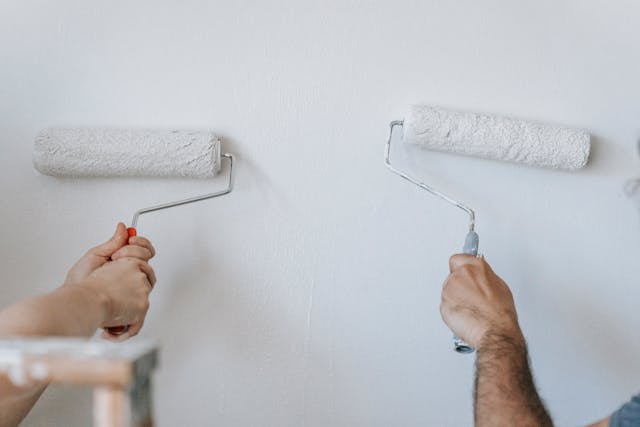
One of the most common mistakes is painting over mold-stained surfaces. Standard paint does not kill mold, and even so-called “mold-resistant” coatings are not designed to address active growth. When mold is sealed behind paint or drywall, it may spread unnoticed into wall cavities, insulation, and framing. By the time it becomes visible again, the affected area is often much larger and more costly to correct.
Bleach is another widely misunderstood solution. While bleach can lighten surface staining, it does not effectively penetrate porous materials like wood, drywall, or subflooring. In fact, the water content in bleach can feed mold growth below the surface, allowing it to return stronger than before. This creates a false sense of security while the problem quietly worsens.
Quick cosmetic repairs can also interfere with proper evaluation. New flooring, fresh drywall, or recently installed cabinets may conceal moisture damage and mold activity during a home inspection or maintenance assessment. This not only delays proper remediation but can complicate future real estate transactions when the issue resurfaces and prior repairs are questioned.
Beyond structural concerns, unresolved mold problems can affect indoor air quality. Mold releases spores that circulate through a home’s HVAC system, potentially impacting multiple rooms. Even hidden growth can contribute to musty odors and ongoing moisture-related deterioration. Over time, this can reduce the lifespan of building materials and mechanical components.
The most effective approach to mold involves identifying and correcting the moisture source first, followed by proper removal of affected materials when necessary. This process is rarely quick, but it is far less disruptive and expensive than repeated surface-level fixes.
Addressing mold correctly protects a home’s value, reduces long-term repair costs, and supports a healthier indoor environment. While a cover-up may seem convenient in the moment, it often trades a visible problem for a much bigger hidden one.
Recent Comments