
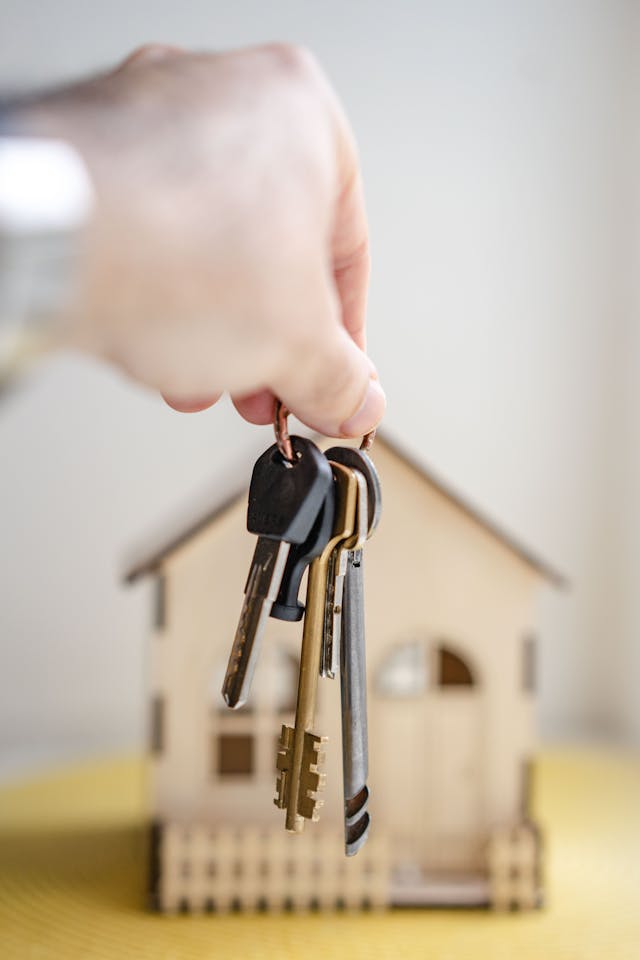
Buying a home is often one of the most exciting milestones in life. However, that excitement can sometimes work against a buyer. Emotional investment, assumptions, and selective attention can create what’s known as buyer bias—leading individuals to overlook or downplay significant issues that may later become costly problems. Understanding how this bias operates is essential for making informed, confident decisions.
Seeing What You Want to See
When buyers walk into a home they love, it’s natural to focus on the positives—the layout, finishes, or location. Unfortunately, this mindset can cause them to unconsciously ignore warning signs. Cracks in walls, uneven floors, or outdated systems may be dismissed as minor or cosmetic. In reality, these issues can signal deeper structural or mechanical concerns that deserve closer attention.
Emotional Attachment Overrides Logic
A strong emotional connection to a property can lead buyers to rationalize problems instead of evaluating them objectively. Statements like “we can fix that later” or “it’s not a big deal” often replace critical thinking. While every home has some imperfections, failing to distinguish between manageable repairs and serious defects can lead to unexpected expenses after closing.
Trusting Appearances Over Evidence
Fresh paint, staged interiors, and well-maintained landscaping can create a powerful first impression. However, these visual improvements can sometimes mask underlying issues such as water damage, mold, or aging infrastructure. Buyer bias may lead individuals to trust what they see on the surface rather than seeking evidence through thorough inspections and documentation.
Minimizing Risk to Secure the Deal
In competitive markets, buyers may feel pressure to act quickly or avoid raising concerns that could jeopardize the purchase. This urgency can reinforce bias, causing them to overlook red flags or skip important due diligence steps. Waiving inspections or ignoring recommendations can significantly increase the risk of discovering major problems later.
Overconfidence in Limited Knowledge
Some buyers believe they can identify serious issues on their own, especially after viewing multiple properties. While experience is helpful, it does not replace a trained evaluation. Complex systems like roofing, electrical, plumbing, and foundations often require a deeper level of expertise. Overconfidence can lead to missed defects that only become apparent over time.
The Value of an Objective Perspective
An impartial, detail-oriented assessment is one of the most effective ways to counter buyer bias. Taking the time to carefully evaluate a home—without emotional influence—helps ensure that both visible and hidden issues are properly considered. Clear documentation and professional insight provide a more complete picture of the property’s condition.
Making Decisions with Clarity
Recognizing buyer bias doesn’t mean eliminating enthusiasm—it means balancing it with careful observation and informed judgment. A home purchase should be both exciting and well-considered. By staying aware of how bias can influence perception, buyers are better equipped to identify potential problems early and make decisions that protect their investment.
In the end, a thoughtful approach today can prevent costly surprises tomorrow.
Recent Comments