
Every home has its own soundtrack. From subtle creaks to the occasional bang, these noises can be surprising, sometimes unsettling, and often misunderstood. The good news is that most household sounds are completely normal. The key is knowing which ones are harmless—and which ones deserve a closer look.
The Nighttime Symphony: Creaks and Pops
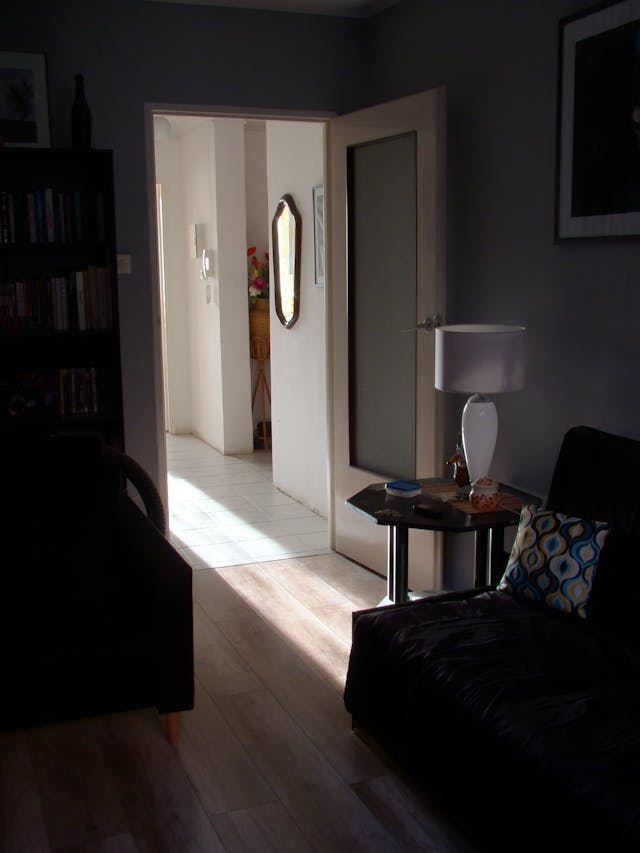
If your home seems louder at night, you’re not imagining things. As temperatures drop, building materials like wood framing, flooring, and even drywall expand and contract. This natural movement often results in soft popping or creaking sounds.
These noises are especially common in newer homes or during seasonal changes. While they can sound dramatic, they’re usually nothing more than your house adjusting to its environment.
When to worry: If the sounds are accompanied by visible cracks in walls or ceilings that grow over time, it may indicate structural movement worth evaluating.
Plumbing Percussion: Knocks and Banging Pipes
A sudden banging sound when turning off a faucet or appliance is often caused by what’s known as “water hammer.” This happens when water flow is abruptly stopped, sending shockwaves through the pipes.
Loose pipes can also rattle or tap against framing members, especially when water pressure fluctuates.
When to worry: Persistent loud banging, especially if it worsens over time, can stress plumbing connections and should be addressed before it leads to leaks.
The Attic Shuffle: Scratching or Scurrying
Light scratching or movement noises coming from the attic or walls are often signs of small animals. Rodents, squirrels, or even birds may find their way into quiet, sheltered spaces.
These sounds are typically more noticeable early in the morning or after sunset when animals are most active.
When to worry: Any ongoing scratching, especially combined with droppings or insulation disturbance, should be handled promptly to prevent damage and contamination.
HVAC Hums and Clicks
Heating and cooling systems naturally produce a range of sounds—clicking as the system cycles on and off, humming from the blower motor, and the occasional whoosh of air moving through ducts.
Metal ductwork can also expand and contract, creating ticking or popping noises.
When to worry: Grinding, squealing, or unusually loud humming can signal worn components or airflow issues that may impact system efficiency or lead to breakdowns.
Foundation Whispers: Subtle Shifts
Homes settle over time. Minor shifts in the foundation can lead to faint cracking or popping sounds, particularly during periods of heavy rain or drought.
These noises are usually slow and infrequent.
When to worry: Doors sticking, windows becoming difficult to open, or large, jagged cracks in walls or brickwork may point to foundation concerns that need professional evaluation.
Listening with Confidence
A quiet home is rare—and not necessarily a good thing. Normal sounds are part of a living structure responding to its surroundings. The goal isn’t silence, but awareness.
Pay attention to changes in patterns, volume, or frequency. A familiar noise that suddenly becomes louder or more frequent is often your first clue that something has shifted.
Understanding these everyday sounds turns uncertainty into confidence—and helps ensure your home stays safe, sound, and well cared for.
Recent Comments