
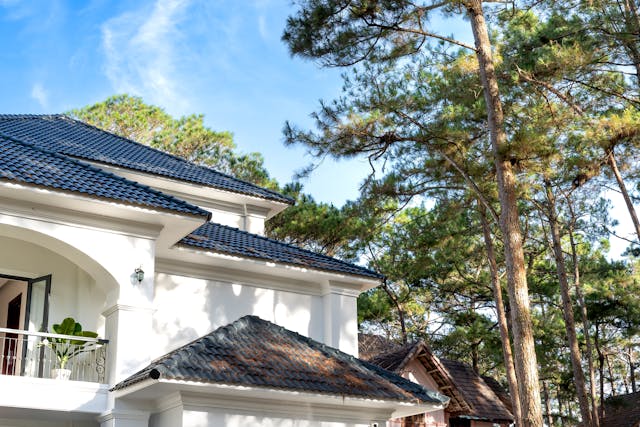
A well-kept yard can make a home feel inviting, but trees often need more attention than many homeowners expect. Large branches stretching over the roof, limbs brushing siding, or thick growth hanging above driveways may seem harmless at first. Over time, though, neglected trees can create costly problems for both the house and the property around it.
Regular tree trimming is not just about aesthetics. It plays a major role in protecting the home, improving safety, and helping trees stay healthy for years to come.
Roof Damage Starts Small
One of the biggest concerns with overgrown trees is roof damage. Limbs hanging too close to shingles can scrape against the surface during windy weather, gradually wearing away roofing materials. Even smaller branches can loosen shingles and expose vulnerable areas to moisture.
In storm-prone areas, heavy limbs become an even greater risk. A single broken branch can damage gutters, puncture roofing, or crack skylights in seconds. Keeping branches trimmed back helps reduce that danger and gives the home a little more breathing room during rough weather.
Moisture and Mold Love Shade
Trees that crowd the roof often block sunlight from reaching the shingles. While shade may seem beneficial during hot summers, too much trapped moisture can create problems.
Leaves and pine needles collect in valleys and gutters, holding moisture against the roof surface. Over time, this can contribute to algae growth, wood rot, and even mold in certain conditions. Trimming nearby branches allows better airflow and helps roofs dry more efficiently after rain.
Critters Use Trees as Highways
Squirrels, raccoons, and even rodents are surprisingly good climbers. When branches touch the roofline, they create easy access points into attics and crawlspaces.
Once inside, pests can damage insulation, wiring, and ventilation systems. Trimming limbs several feet away from the home helps reduce these unwanted visits and removes a common entry route many homeowners overlook.
Better Visibility Around the Property
Overgrown trees can also affect visibility and security. Thick branches may block exterior lighting, cover windows, or create blind spots near driveways and walkways.
Proper trimming opens up the property, making outdoor spaces feel cleaner, brighter, and safer. It can also improve curb appeal significantly, especially when mature trees are shaped correctly instead of left to grow unchecked.
Healthy Trees Need Maintenance Too
Tree trimming is not harmful when done correctly. In fact, healthy pruning encourages stronger growth and helps trees resist disease. Dead, damaged, or overcrowded branches can weaken the overall structure of a tree and increase the likelihood of limbs falling unexpectedly.
Routine maintenance allows homeowners to catch signs of decay early before a tree becomes unstable or hazardous.
A Smart Part of Home Maintenance
Many homeowners focus on roofs, HVAC systems, and plumbing while forgetting that trees directly impact all of them. A little preventative trimming now can help avoid expensive repairs later.
When branches start creeping toward the roof or scraping against siding, it is usually a sign that the trees need attention. Keeping them properly maintained protects the home, improves safety, and helps the entire property look cared for year-round.
Recent Comments