
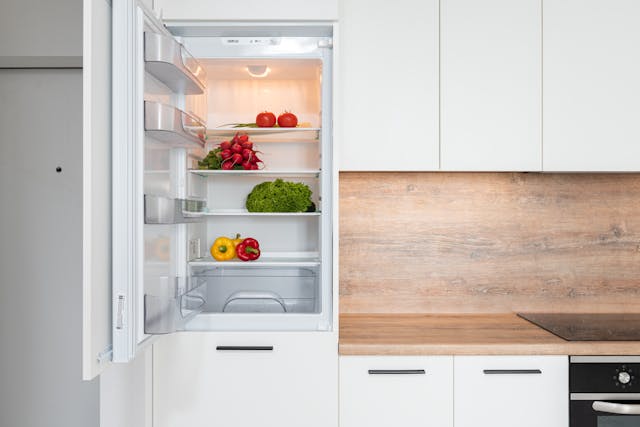
A refrigerator is one of the few appliances that runs around the clock, making it a significant contributor to household energy use. Keeping it operating efficiently not only reduces utility costs but also extends the lifespan of the unit. Fortunately, a few straightforward practices can make a noticeable difference.
Set the Right Temperature
Efficiency starts with proper temperature settings. The refrigerator compartment should be maintained at around 37–40°F, while the freezer should sit at approximately 0°F. Colder settings don’t preserve food better—they simply force the appliance to work harder, increasing energy consumption unnecessarily.
Keep the Coils Clean
Dust and debris tend to collect on condenser coils, often located at the back or beneath the unit. When these coils are dirty, the refrigerator must use more energy to release heat. Cleaning them every six months with a vacuum or coil brush helps maintain optimal performance and prevents strain on the system.
Check Door Seals Regularly
A tight seal is essential for maintaining internal temperature. Worn or loose gaskets allow cold air to escape, causing the refrigerator to cycle more frequently. A simple way to test the seal is by closing the door on a piece of paper—if it slides out easily, the seal may need attention or replacement.
Avoid Overfilling (and Underfilling)
A well-organized refrigerator promotes good air circulation, which is key to even cooling. Overcrowding blocks airflow, while an almost empty unit loses cold air quickly when opened. Aim for a balanced load, and consider using containers of water to stabilize temperature if the fridge is consistently underfilled.
Limit Door Openings
Every time the door is opened, warm air enters and forces the appliance to work harder to restore the set temperature. Keeping openings brief and purposeful helps reduce unnecessary energy use. Planning ahead before opening the door can make this habit easier to maintain.
Let Hot Food Cool First (When Safe to do So)
Placing hot food directly into the refrigerator raises the internal temperature, triggering additional cooling cycles. Allowing food to cool to room temperature before storage reduces this burden and supports more stable operation.
Position Matters
The placement of the refrigerator plays a larger role than many realize. Units positioned near ovens, dishwashers, or in direct sunlight must work harder to stay cool. Providing adequate clearance around the appliance ensures proper ventilation and efficient heat dissipation.
Consider Age and Efficiency Ratings
Older refrigerators tend to consume significantly more energy than newer models. If the appliance is more than a decade old, upgrading to a modern, energy-efficient unit can result in substantial long-term savings. Look for energy ratings that indicate improved performance standards.
Maintaining an energy-efficient refrigerator doesn’t require major changes—just consistent attention to a few key details. With proper care and thoughtful use, it’s possible to reduce energy consumption while keeping food safely stored and fresh.
Recent Comments