
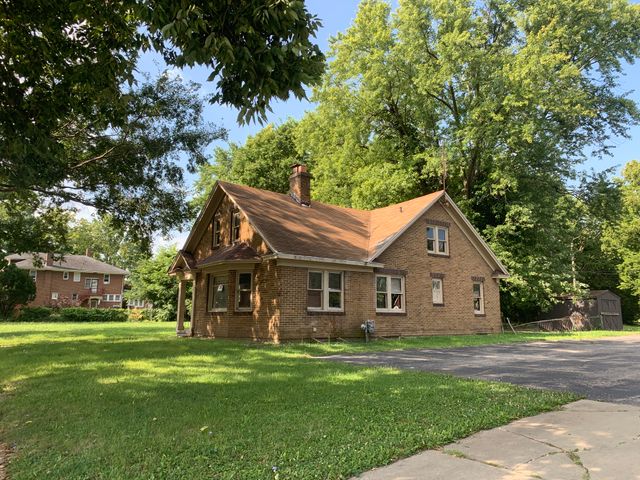
The words “sold as-is” can make some buyers nervous, while others see an opportunity. In today’s real estate market, as-is properties are fairly common, especially in competitive areas, estate sales, older homes, and properties that need updating. Before moving forward, it is important to understand exactly what an as-is listing means—and what it does not mean.
What Does “As-Is” Really Mean?
An as-is sale simply means the seller is offering the property in its current condition and is generally not planning to make repairs before closing. The seller may still be required to disclose known defects according to state laws, but they are signaling upfront that repair requests are unlikely to be part of the negotiation.
Many buyers mistakenly assume an as-is home is automatically a bad investment. That is not always the case. Some sellers choose this approach for convenience, while others may not have the time, resources, or desire to address issues before selling.
Expect Deferred Maintenance
One of the most common characteristics of an as-is property is deferred maintenance. Small problems that have been ignored over time can add up. Peeling paint, aging roofing materials, worn flooring, outdated electrical components, plumbing leaks, and HVAC concerns are frequently found in these homes.
While some issues may be cosmetic, others can be expensive. Understanding the difference is critical when evaluating the true cost of ownership.
Inspections Are More Important Than Ever
Even when a property is being sold as-is, a professional home inspection remains one of the smartest investments a buyer can make. An inspection helps identify visible defects, safety concerns, and major system issues before the purchase is finalized.
The inspection process can reveal problems that may not be obvious during a showing, such as moisture intrusion, structural movement, electrical hazards, or aging mechanical systems. Having this information allows buyers to make informed decisions rather than costly surprises after moving in.
Budget for Repairs and Upgrades
When purchasing an as-is home, it is wise to create a repair budget before closing. Beyond the purchase price, buyers should account for immediate repairs, future maintenance, and potential upgrades.
A home that appears to be a bargain can quickly become more expensive if major systems are nearing the end of their service life. Taking a realistic look at anticipated costs can help determine whether the property is truly a good value.
The Bottom Line
An as-is house can offer excellent opportunities for buyers who understand what they are getting into. The key is approaching the purchase with clear expectations, thorough due diligence, and a solid understanding of the property’s condition.
With the right information and professional guidance, an as-is home can be transformed from a question mark into a confident investment. The goal is not to avoid these properties altogether—it is to know exactly what challenges and opportunities may be waiting behind the front door.
Recent Comments