
Good Intentions Don’t Always Lead to Better Offers
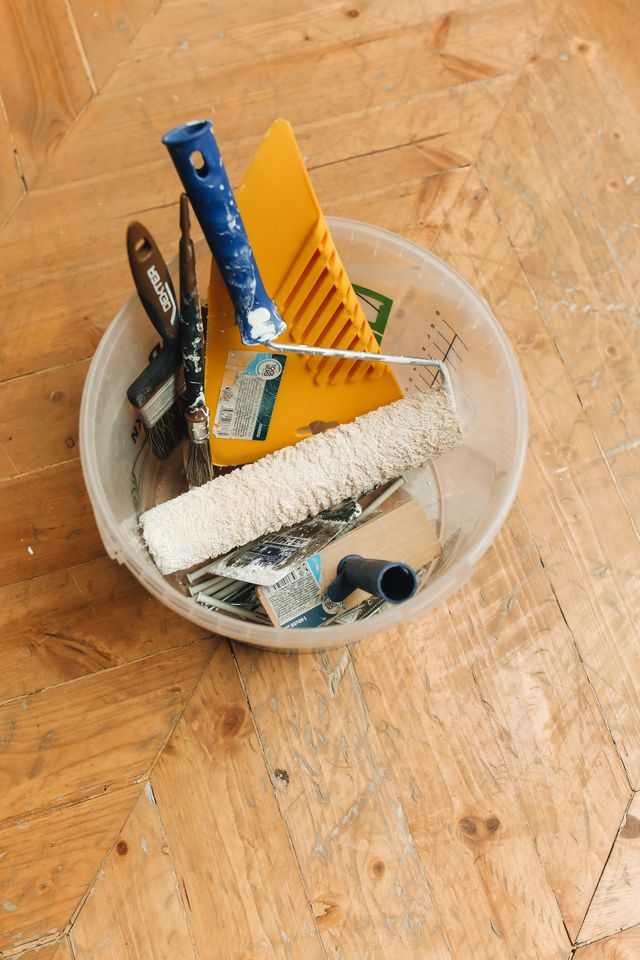
Getting a home ready for the market often inspires a long weekend of do-it-yourself projects. Freshening up a property can certainly help attract buyers, but not every DIY repair adds value. In fact, some well-meaning fixes can create new problems, raise concerns during a home inspection, or even delay the closing process.
Before picking up the toolbox, it’s worth knowing which projects are more likely to hurt than help.
Painting Over Problems
A fresh coat of paint is one of the easiest ways to improve a home’s appearance—but only when it’s used correctly.
Painting over water stains, mold, damaged drywall, or wood rot may make the issue less noticeable for a short time, but it doesn’t solve the underlying problem. Buyers and inspectors are trained to recognize signs that cosmetic improvements may be hiding something more serious. Once the real issue is uncovered, trust can disappear quickly.
Address the cause first, then make cosmetic improvements afterward.
Electrical Shortcuts Are Never Worth It
Replacing a light fixture or switch may seem simple, but electrical work completed without proper knowledge can create safety concerns.
Loose connections, improperly installed outlets, missing cover plates, or overloaded circuits are common findings during inspections. These repairs often require additional evaluation and correction before a sale can move forward.
When electrical repairs extend beyond basic maintenance, bringing in a qualified professional is usually the better investment.
Roofing Repairs That Miss the Mark
A few loose shingles can tempt homeowners to grab a ladder and roofing cement. Unfortunately, patch jobs often stand out during an inspection and may not resolve the underlying issue.
Improper repairs can allow moisture to continue entering the home, potentially leading to hidden damage in the attic or roof structure. If the roof has known issues, having repairs completed correctly is far less likely to create questions later.
Plumbing Fixes That Create Bigger Problems
Small plumbing leaks rarely improve on their own. Temporary solutions such as excessive caulk, sealants, or repair tape may stop a drip briefly, but they often fail when buyers begin using sinks, tubs, or appliances during the inspection period.
A properly repaired leak is always more reassuring than a quick patch that appears rushed.
Flooring Cover-Ups
Throw rugs, peel-and-stick flooring, or strategically placed furniture may disguise damaged flooring for showings, but buyers eventually see what’s underneath.
Loose flooring, soft spots, water damage, or uneven surfaces are common inspection concerns. Covering them instead of repairing them can leave buyers wondering what else may have been overlooked.
Focus on Honest Preparation
Preparing a home for sale doesn’t require perfection. Buyers understand that every home has normal wear and tear. What matters most is that the property has been cared for and that repairs have been handled properly.
Rather than rushing through cosmetic fixes, concentrate on correcting genuine maintenance issues, keeping the home clean, and presenting it honestly. A well-maintained home inspires confidence, reduces surprises during the inspection process, and helps transactions move toward the closing table with fewer unexpected obstacles.
Recent Comments