
Keeping a home in good condition takes more than a little elbow grease. From tightening a loose door handle to tackling seasonal maintenance, having the right tools can make everyday repairs safer, easier, and more effective. The trick is knowing what belongs in your toolbox, when to use it, and when a job calls for professional help.
A well-equipped home doesn’t need a workshop full of expensive equipment. It needs a practical collection of reliable tools that can handle common household tasks without turning a simple repair into a frustrating afternoon.
🛠️ Start With the Essentials
Every homeowner can benefit from a basic set of dependable tools. These everyday items provide a solid foundation for routine maintenance and small DIY projects.
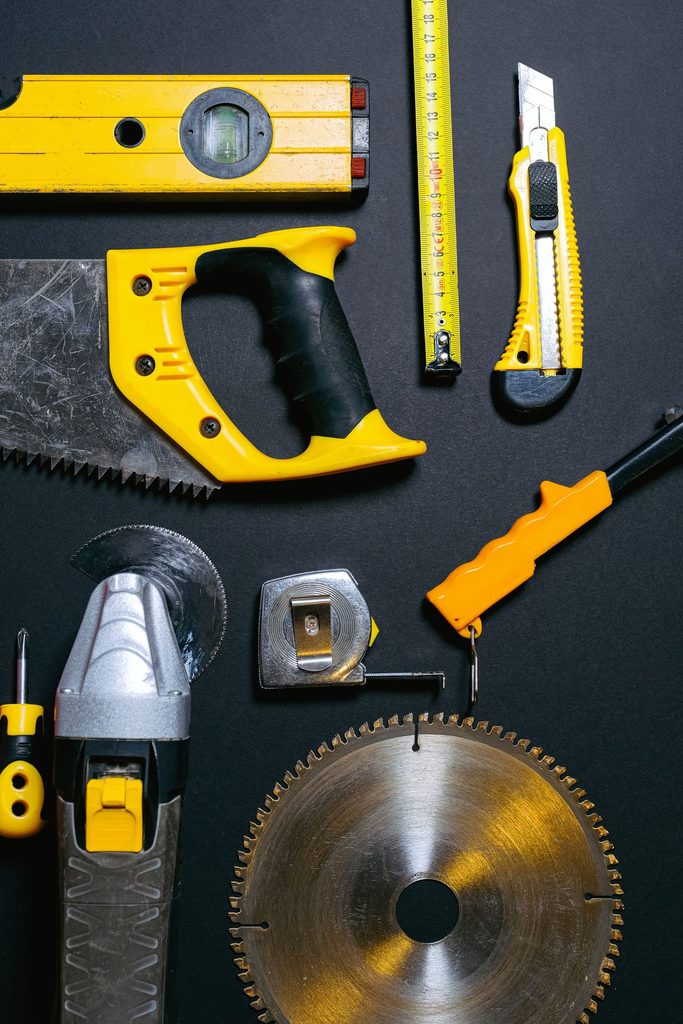
Consider keeping these essentials on hand:
- Hammer: Useful for light carpentry, securing nails, and minor household repairs.
- Screwdriver set: Flathead and Phillips screwdrivers handle many loose hinges, cabinet hardware, and other common fixes.
- Tape measure: Essential for checking dimensions before purchasing materials, hanging shelves, or planning improvements.
- Adjustable wrench and pliers: Helpful for gripping, tightening, and loosening suitable fasteners and plumbing connections.
- Utility knife: Useful for opening packaging and cutting appropriate materials carefully.
- Level: Helps ensure shelves, pictures, and fixtures are properly aligned.
- Flashlight: Makes it easier to inspect dark corners, crawl spaces, utility areas, and under sinks.
A sturdy ladder, safety glasses, work gloves, and a well-stocked first-aid kit are also worthwhile additions. Choose tools that feel comfortable in your hands and are suited to the work you expect to perform.
🔍 The Right Tool Can Reveal the Real Problem
Tools aren’t just for fixing things. They’re also valuable for identifying developing maintenance concerns before they become expensive headaches.
A flashlight can help reveal moisture staining beneath a sink. A tape measure can identify gaps or uneven spacing during a project. A moisture meter, when used correctly, can help investigate suspicious areas where dampness may be present.
However, tools have limitations. A moisture meter reading alone doesn’t establish the source of a leak, and a visual inspection cannot always reveal hidden damage. Recognizing what a tool can—and cannot—tell you is an important part of responsible homeownership.
⚠️ Safety Should Always Come First
The wrong tool can damage materials, compromise a repair, or cause an injury. Using pliers instead of the correct wrench, for example, may damage fittings. Using a ladder on uneven ground can create a serious fall hazard.
Before starting any project, read the manufacturer’s instructions, inspect tools for damage, and wear appropriate protective equipment.
Electrical work deserves particular caution. Turn off the appropriate circuit before permitted work, verify that power is absent with a suitable tester, and understand local requirements. When a task involves unfamiliar wiring, structural changes, gas lines, or significant plumbing problems, calling a qualified professional is often the safest choice.
🏡 Maintain Your Tools, Too
Tools need maintenance just like a home. Keep them clean, dry, and organized. Replace damaged handles, worn-out blades, and frayed cords. Store sharp tools safely and check batteries regularly so cordless equipment is ready when needed.
Buying quality doesn’t necessarily mean buying the most expensive option. For occasional household jobs, a dependable midrange tool may be perfectly adequate. Specialized equipment can often be rented rather than purchased.
The Bottom Line
The best DIY results begin before the first screw is turned. Having the right tools helps homeowners work more efficiently, avoid preventable damage, and recognize when a repair exceeds their abilities.
Build a useful toolkit gradually, learn how each tool should be used, and make safety part of every project. A little preparation today can help protect your home’s condition, save time, and make routine maintenance considerably less stressful.
Recent Comments