
Eco-friendly home upgrades can make a house more comfortable, efficient, and easier on the monthly utility budget. But when it comes time for a home inspection, green features still need to meet the same basic expectations as everything else in the home: They should be properly installed, safely operated, and in good working condition.
That does not mean an inspector is looking for reasons to criticize energy-efficient improvements. Quite the opposite. A well-executed upgrade can be a real asset. The inspection simply takes a closer look at how the improvement fits into the overall condition of the house.
Energy-Efficient Windows: More Than a Nice View
New windows are popular with homeowners looking to improve efficiency and reduce drafts. During an inspection, the focus is typically on operation and condition. Windows should open, close, latch, and remain reasonably weather-tight.
Signs of failed insulated glass, damaged frames, poor installation, or water intrusion can turn an otherwise appealing upgrade into an inspection concern.
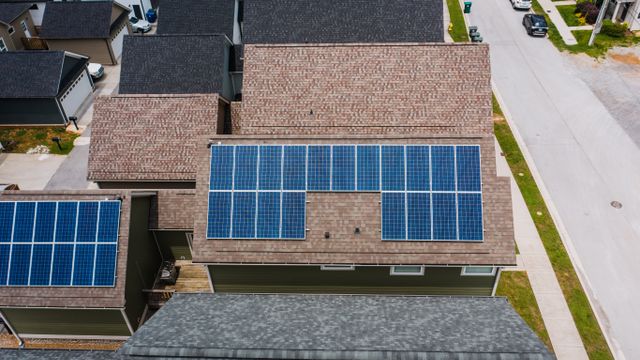
Solar Panels Need a Closer Look
Solar panels can be an excellent addition, but they bring electrical and structural considerations into the picture. An inspector may look at visible wiring, mounting components, roof penetrations, and the condition of accessible equipment.
The inspection does not replace a specialized solar or electrical evaluation. If something appears questionable, additional review by a qualified professional may be recommended.
Insulation: Out of Sight, Not Out of Mind
Improved insulation is one of those upgrades that can be difficult to evaluate because much of it is hidden. Where accessible, an inspector may look for signs of incomplete installation, moisture problems, ventilation concerns, or disturbed insulation around attic equipment.
In a humid climate, attic ventilation and moisture management deserve particular attention. Energy efficiency should never come at the expense of proper building performance.
Heat Pumps and High-Efficiency HVAC
Modern heat pumps and high-efficiency HVAC systems can perform extremely well, but the inspection still centers on the basics. Equipment should operate normally, condensate should drain properly, and accessible electrical and mechanical components should appear appropriately installed.
The age, condition, and maintenance history of the system can also matter when interpreting inspection findings.
What About Rain Barrels, EV Chargers, and Other Green Features?
Smaller sustainability upgrades can still show up on an inspection report. An EV charger, for example, should have appropriate installation and visible components should be in satisfactory condition. Rainwater collection systems should not create drainage or moisture problems around the home.
The key takeaway is simple: Being eco-friendly does not mean being inspection-exempt.
A green upgrade generally fares well when it is installed correctly, maintained properly, and compatible with the home’s existing systems. Good documentation can help, too. Keep receipts, permits, installation records, and equipment information where they can be easily provided when needed.
A home inspection is not a test of whether a house is “green enough.” It is a practical look at how the home is performing. When sustainable improvements are thoughtfully installed, they can contribute to a home that is efficient, comfortable, and built to serve its occupants well for years to come.
Recent Comments