
Homeownership comes with a steady list of chores that often require working above ground level. Cleaning gutters, inspecting roof edges, replacing exterior fixtures, and removing debris from tree branches are all familiar maintenance projects. But before bringing out the ladder, it is worth remembering that even a routine job can become dangerous when the equipment or surroundings are not properly considered.
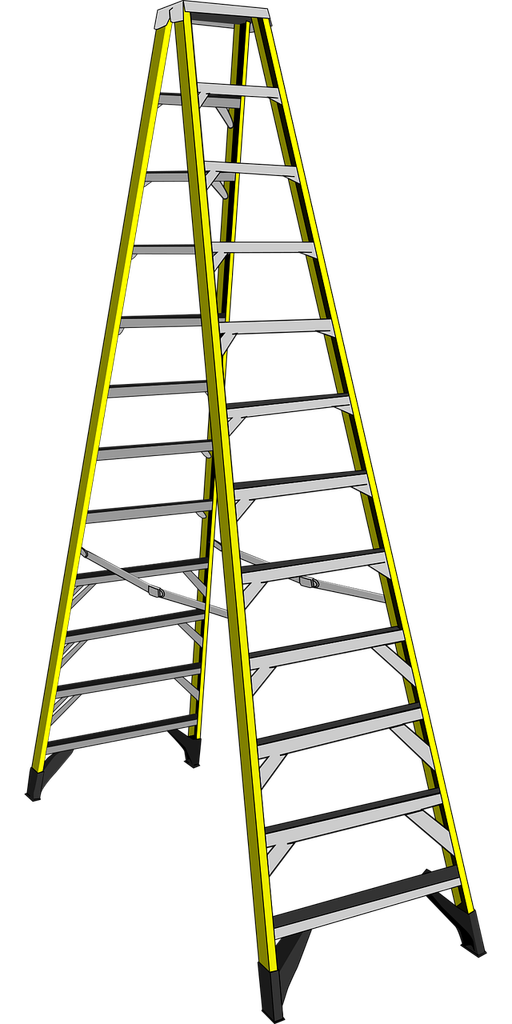
From a home maintenance standpoint, ladder safety is about more than simply having a sturdy piece of equipment. It involves understanding the conditions around your home and recognizing potential problems before they lead to an accident.
Take a Moment to Inspect Your Equipment
A ladder that has been sitting in a garage or storage shed for months should never be assumed ready for use. Temperature changes, moisture, and everyday wear can affect its condition.
Pay attention to:
- Loose or damaged rungs and steps.
- Cracked side rails or bent metal sections.
- Worn rubber feet that may no longer grip properly.
- Faulty hinges, braces, or extension locks.
- Rust, corrosion, or deteriorating connections.
If a ladder shows signs of structural damage, set it aside. A quick repair with household materials is not an acceptable substitute for manufacturer-approved repairs.
Pay Attention to the Terrain Around Your Home
The area where a ladder rests is just as important as the ladder itself. A sloped driveway, uneven patio, soft ground, or loose landscaping material can create an unstable foundation.
This deserves extra attention on properties with rolling terrain, where a seemingly minor change in elevation can affect how securely a ladder sits.
Always use a firm, level surface. Extension ladders should be positioned using the 4-to-1 rule, meaning the base should be approximately one foot out from the wall for every four feet of vertical height.
Never attempt to level a ladder with loose boards, bricks, or improvised supports.
Don’t Overlook What’s Above You
Before climbing, check the surrounding area for overhead electrical wires, tree limbs, roof projections, and other obstructions.
Electrical hazards deserve particular caution. Keep ladders well clear of power lines, and remember that even fiberglass equipment does not make working near energized lines safe.
Weather is another important consideration. Strong winds, thunderstorms, wet surfaces, and freezing conditions are good reasons to postpone outdoor ladder work.
Safe Climbing Requires Good Judgment
Once the ladder is properly positioned, maintain three points of contact while climbing. Face the ladder, keep your body between the side rails, and avoid stretching sideways to reach an inconvenient spot.
Move the ladder instead of overextending. Also, never stand on the top cap of a stepladder unless it is specifically designed and labeled for that purpose.
Keep tools secured and avoid carrying bulky materials that interfere with your balance or grip.
Know When a Project Needs Professional Help
Some home maintenance tasks are better left to experienced professionals, particularly when they involve steep roofs, difficult access points, electrical components, or substantial heights.
A ladder should make a job more manageable, not introduce unnecessary danger.
The Bottom Line: A few minutes spent checking the ladder, evaluating the ground, and planning the work can prevent a serious injury. Good property maintenance includes knowing how to work safely, but it also means recognizing when the smartest decision is to call someone qualified to handle the job.
Recent Comments