
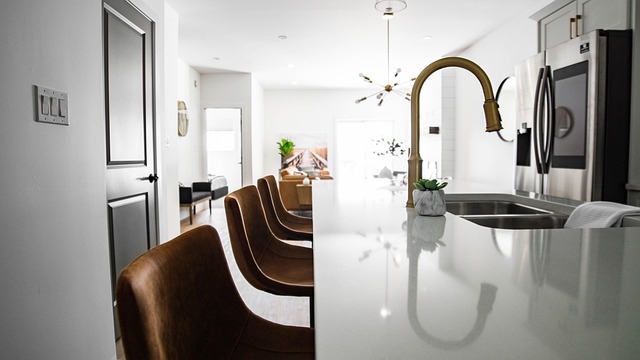
The kitchen countertop does more than provide a place to prep meals. It takes daily wear, handles spills and heat, supports appliances, and quietly reflects how a household really functions. Selecting the right countertop is less about trends and more about choosing a surface that fits the way the kitchen is actually used. The most successful choices balance durability, maintenance, and long-term value.
Start With How the Kitchen Is Used
Before looking at materials, consider daily habits. A busy household with frequent cooking, children, or entertaining will place different demands on a countertop than a lightly used kitchen. Heavy chopping, hot pans, and regular cleanup require a surface that resists damage and doesn’t demand constant care. In contrast, a kitchen used mainly for reheating and light prep may allow for more decorative or higher-maintenance options.
Understand Material Strengths and Limits
Every countertop material has trade-offs. Natural stone such as granite offers excellent heat resistance and durability but may require periodic sealing to prevent staining. Quartz provides a consistent appearance and low maintenance, making it a reliable choice for busy kitchens, though it is less tolerant of extreme heat. Solid surface materials offer seamless installation and easy repairs but can scratch more easily. Laminate remains budget-friendly and practical, though it is more vulnerable to moisture and impact over time.
Choosing wisely means understanding not just how a countertop looks on installation day, but how it will perform years later.
Consider Maintenance Realistically
Maintenance is often underestimated. Some surfaces need regular sealing, careful cleaning products, or prompt attention to spills. Others are more forgiving. A countertop that fits a homeowner’s willingness and ability to maintain it will age better and provide fewer frustrations. When maintenance requirements are ignored, even premium materials can show premature wear.
Pay Attention to Installation and Support
Countertops are only as good as the cabinets and support beneath them. Heavier materials may require reinforced cabinetry, and seams, cutouts, and edges should be properly fabricated to reduce cracking or moisture intrusion. Professional installation is especially important around sinks and cooktops, where failures often begin.
Balance Appearance With Resale Value
While personal taste matters, countertops also influence resale appeal. Neutral, durable materials tend to age better in the market and appeal to a broader range of buyers. Highly customized or delicate choices may limit future flexibility.
Think Long-Term
The best countertop choice is one that performs quietly and reliably. It should handle everyday use without constant concern, complement the kitchen’s function, and hold up under inspection years down the road. When homeowners select countertops with practical performance in mind, the kitchen remains both functional and appealing for the long term.
Recent Comments